
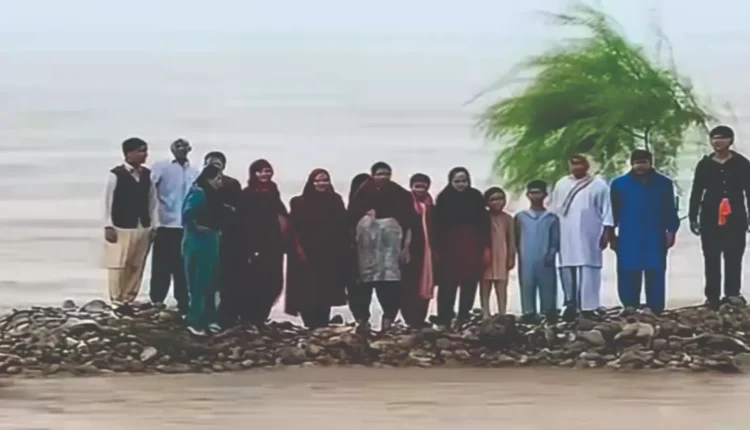
Climate change refers to long-term alterations in temperature, precipitation, and other atmospheric conditions on Earth. Driven primarily by human activities like deforestation and the burning of fossil fuels, these practices disrupt the planet’s natural balance. Despite contributing less than 1% to global greenhouse gas emissions, Pakistan remains at the frontline of the climate crisis.
“The Earth is a fine place and worth fighting for.” – Ernest Hemingway
Causes of Climate Change
Globally, the crisis is fueled by industrial emissions and unsustainable land management. Locally, Pakistan’s vulnerability is intensified by:
Rapid Urbanization: Heat islands in cities like Lahore and Karachi.
Deforestation: Loss of natural carbon sinks in northern regions.
Weak Policy Enforcement: Challenges in regulating industrial waste and vehicular emissions.
The 2025 Deluge: A New Reality
The consequences of climate change have escalated from seasonal threats to year-round catastrophes. While the 2022 floods were historic, the 2025 Monsoon Deluge has redefined the scale of urban and rural devastation.
Glacial Lake Outburst Floods (GLOFs): In early 2025, unprecedented heatwaves in the Gilgit-Baltistan and Khyber Pakhtunkhwa regions caused multiple GLOF events, destroying bridges and isolating entire valleys.
Urban Flooding 2.0: In mid-2025, record-breaking rainfall—exceeding 400mm within 24 hours—submerged major portions of Karachi and Lahore, paralyzing infrastructure and causing massive short-circuits and structural collapses.
The Human Toll: Beyond the 2022 statistics, the 2025 floods displaced an estimated 5 million additional people, with flash floods in the northern areas tragically sweeping away tourist camps and local settlements alike.
Socio-Economic and Health Impacts
The 2025 disasters have created a “polycrisis” for the nation:
Agriculture & Food Security: The 2025 deluge destroyed over 1.5 million acres of standing crops (including cotton and rice), leading to a sharp spike in food inflation.
The Health Crisis: Stagnant floodwaters have led to a resurgence of waterborne diseases. In 2025, Pakistan saw a record number of Dengue and Malaria cases, compounded by a lack of clean drinking water in flooded districts.
Economic Strain: Climate-induced disasters are now estimated to cost Pakistan nearly 10% of its GDP annually in damages and lost productivity.
Role of Government and Citizens
The response to the 2025 crisis has seen a shift toward “Climate Resilience” rather than just “Disaster Management.”
Government Initiatives: The National Electric Vehicle Policy continues to offer subsidies to reduce the carbon footprint. Additionally, the Suthra Punjab program has expanded its scope in 2025, utilizing advanced Waste-to-Energy plants to clear urban landfill sites that previously contributed to methane emissions and clogged drainage during floods.
Green Infrastructure: There is a renewed focus on building “Sponge Cities” that can absorb excess rainwater, and the enforcement of stricter building codes near riverbanks.
Civic Duty: Citizens are increasingly adopting solar energy and participating in urban forestation projects (Miyawaki forests) to combat the rising “heat dome” effect in metropolitan areas.
“We won’t have a society if we destroy the environment.” – Margaret Mead
Conclusion
The 2025 deluge serves as a somber reminder that climate change is no longer a “future threat”—it is an active emergency. Pakistan’s path forward requires a blend of international climate financing, aggressive local policy enforcement, and a fundamental shift in how every citizen interacts with the environment. Building a climate-resilient Pakistan is not just an environmental goal; it is a matter of national survival.